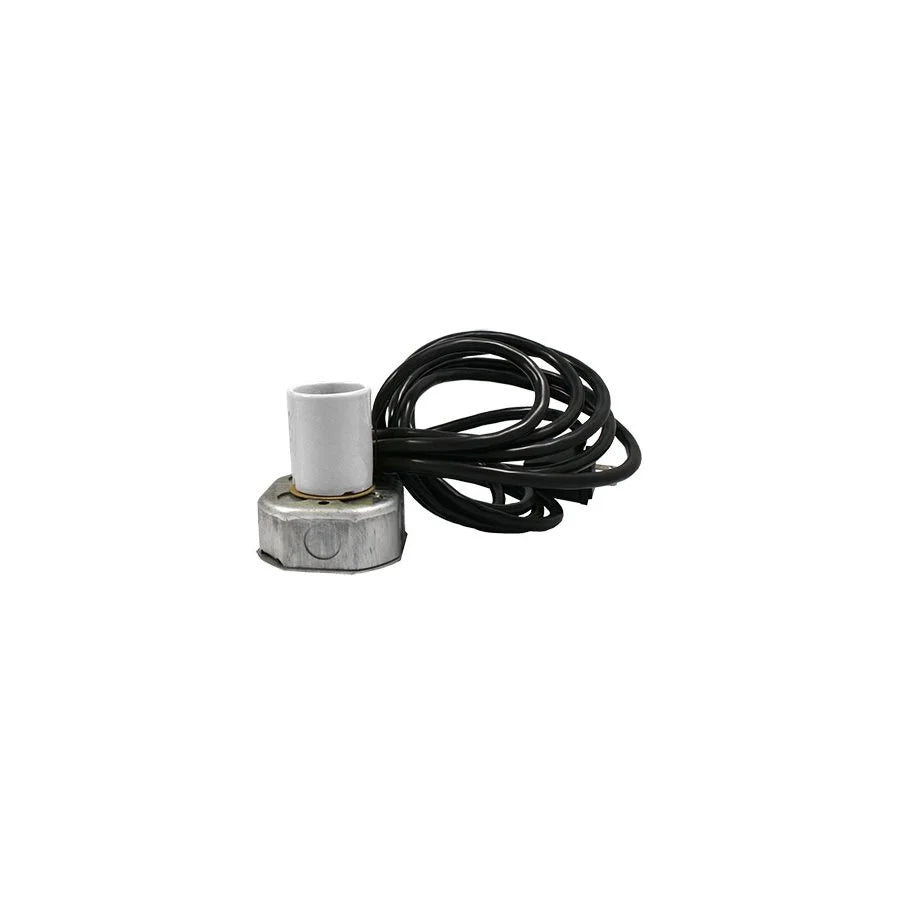
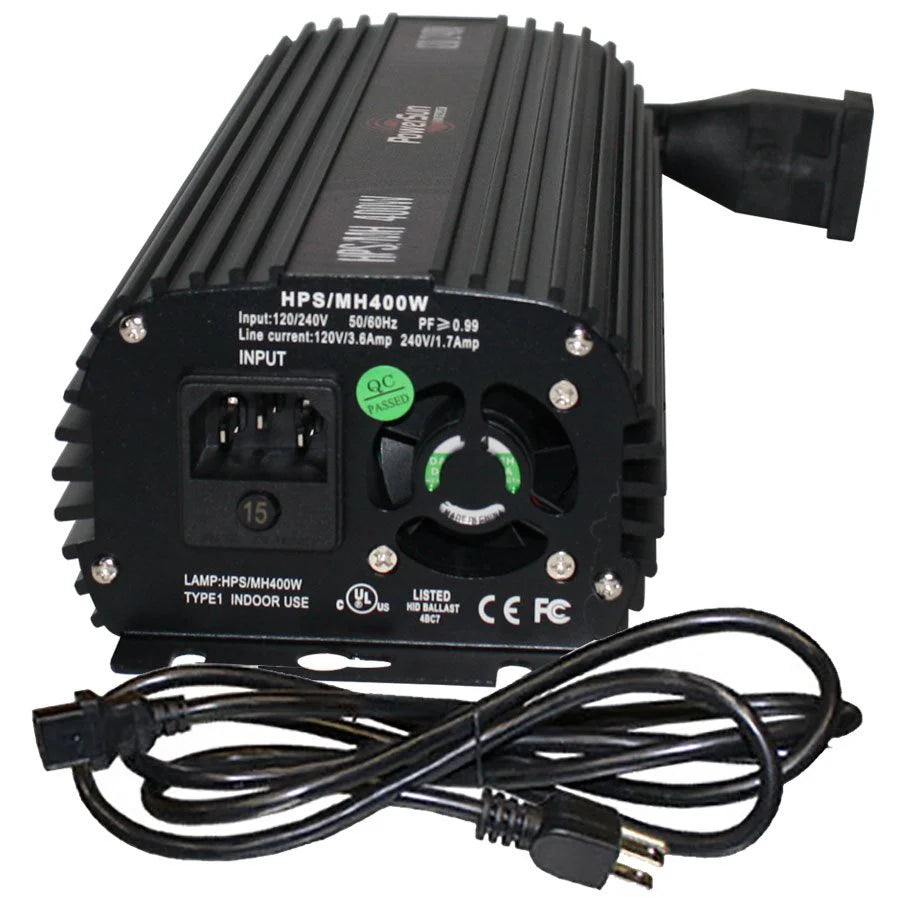
At Biofloral, ballasts are a critical component for any indoor grow setup. As indoor cultivation continues to rise, understanding how ballasts function can be the difference between thriving plants and underperforming equipment. Let’s break down what ballasts do and why they matter.
🔌 What Is a Ballast and Why Is It Essential?
Without a ballast, your grow light simply won’t ignite. Grow bulbs rely on two key elements: an electrical arc and a gas (often in solid form, like sodium). To start the arc and activate the gas into a light-emitting state, the bulb needs a high voltage. Once lit, it requires less power to stay on. That’s where the ballast comes in — it regulates the voltage, ensuring the bulb receives just the right amount of electricity. This prevents overheating, flickering, or premature burnout.
⚙️ Types of Ballasts
🔧 Magnetic Ballasts
·Built with copper coils and metal components
·Generate the necessary voltage but produce significant heat
·Require external cooling and are less energy-efficient
·Gradually being replaced by digital models due to performance limitations
💻 Electronic (Digital) Ballasts
·Use microchips and advanced circuitry to regulate voltage
·Compact, efficient, and cooler in operation
·Often include built-in fans for heat management
·Ideal for growers seeking reliability and modern features
🌱 Why Ballasts Matter
Ballasts are the unsung heroes of grow lighting. They ensure your bulbs operate safely and efficiently, delivering consistent power and protecting your setup from electrical issues. Without a ballast, your lights may fail to start or run erratically — compromising plant health and equipment longevity.
👉Explore Biofloral’s ballast collection today and take your grow room to the next level.
Filters (0)
FAQ
A grow light ballast regulates voltage and current to the lamp, ensuring safe and efficient operation. Without a ballast, most high-intensity discharge lamps will not function properly or safely.
There are digital, magnetic, and electronic ballast options. Digital ballasts for grow lights offer efficiency and dimmable control, while magnetic ballasts are valued for durability.
Many modern ballasts support both HPS and MH bulbs, but always check compatibility. Some are switchable, while others are designed for a specific lamp type.
Common options include 600W, 1000W, and 1000W digital ballasts. The best wattage depends on your grow room size, fixture, and desired light output.
Dimmable ballasts allow growers to adjust light intensity, helping manage plant growth stages and energy use. They are ideal for flexible indoor grow setups.
Keep the ballast in a cool, dry area with proper ventilation. Regularly check for dust buildup and ensure all connections are secure to maximize lifespan and performance.