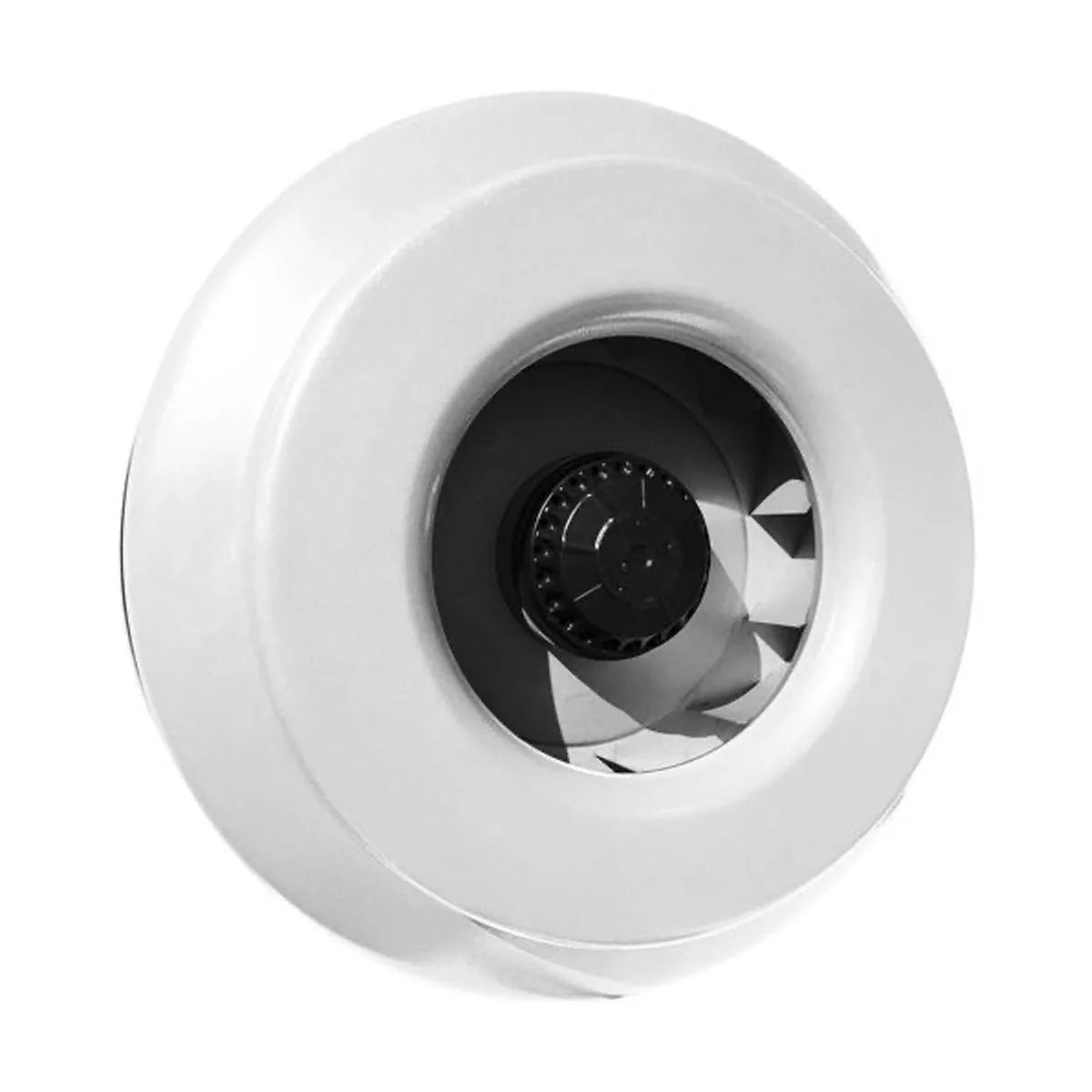
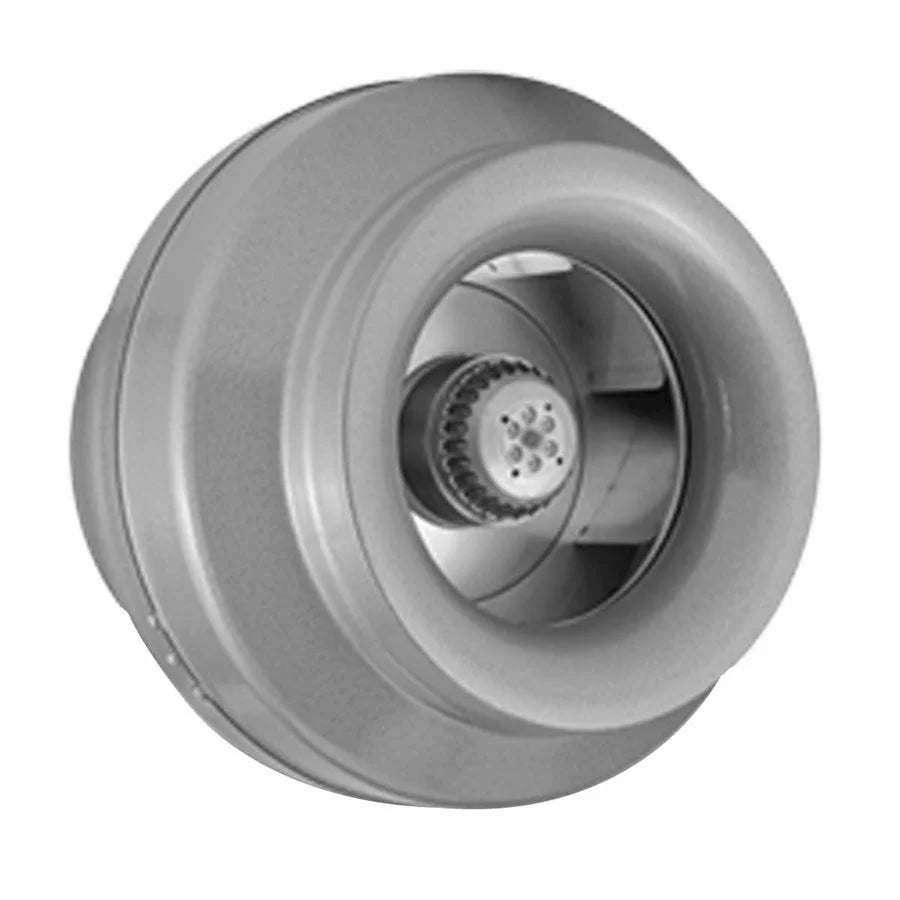
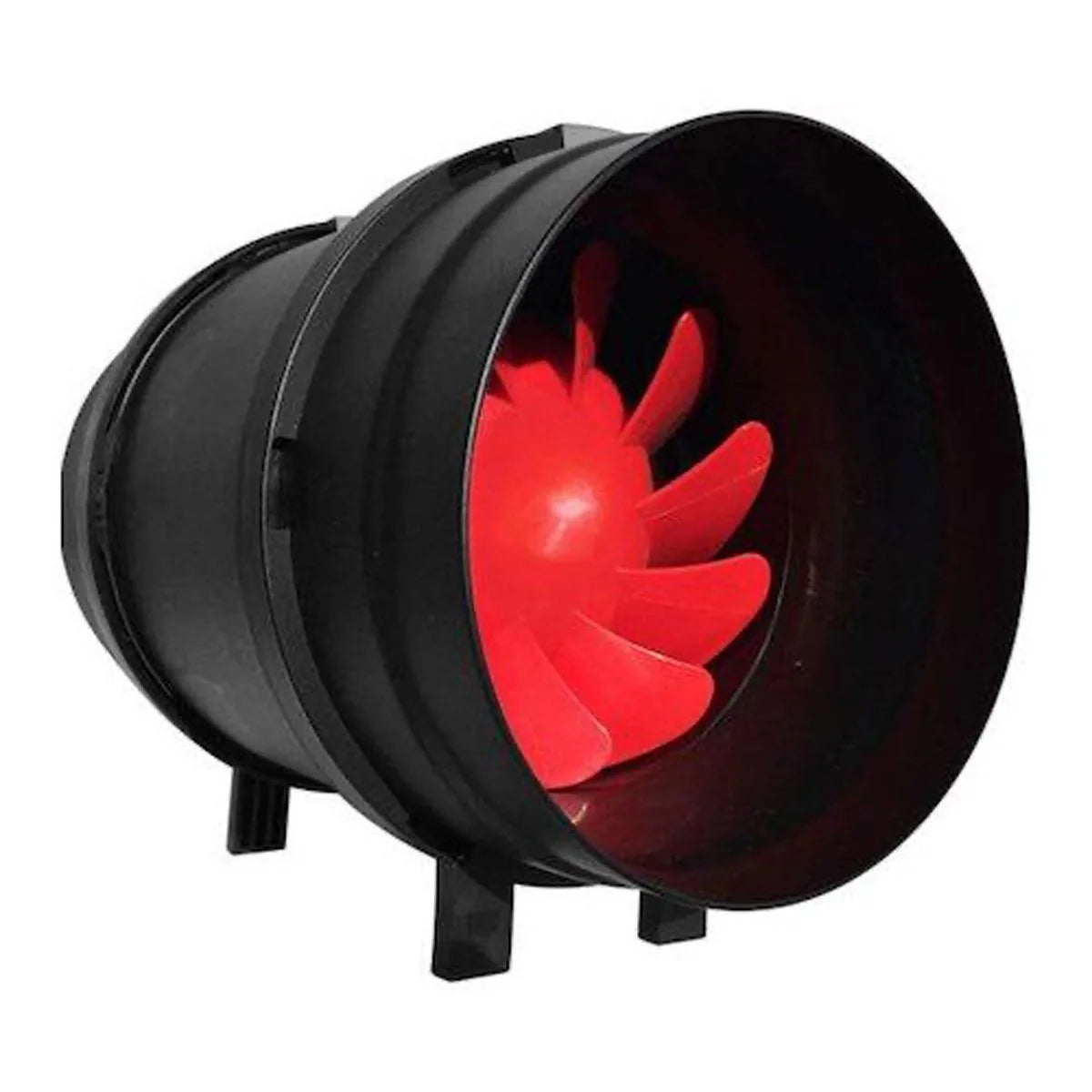
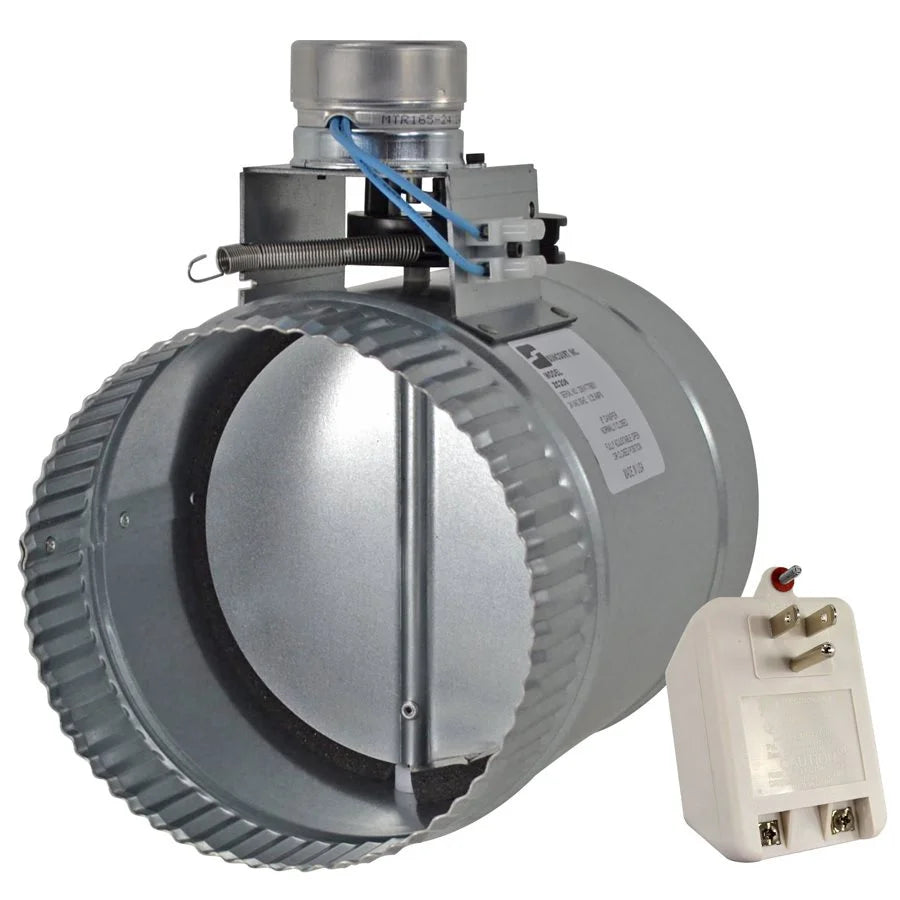
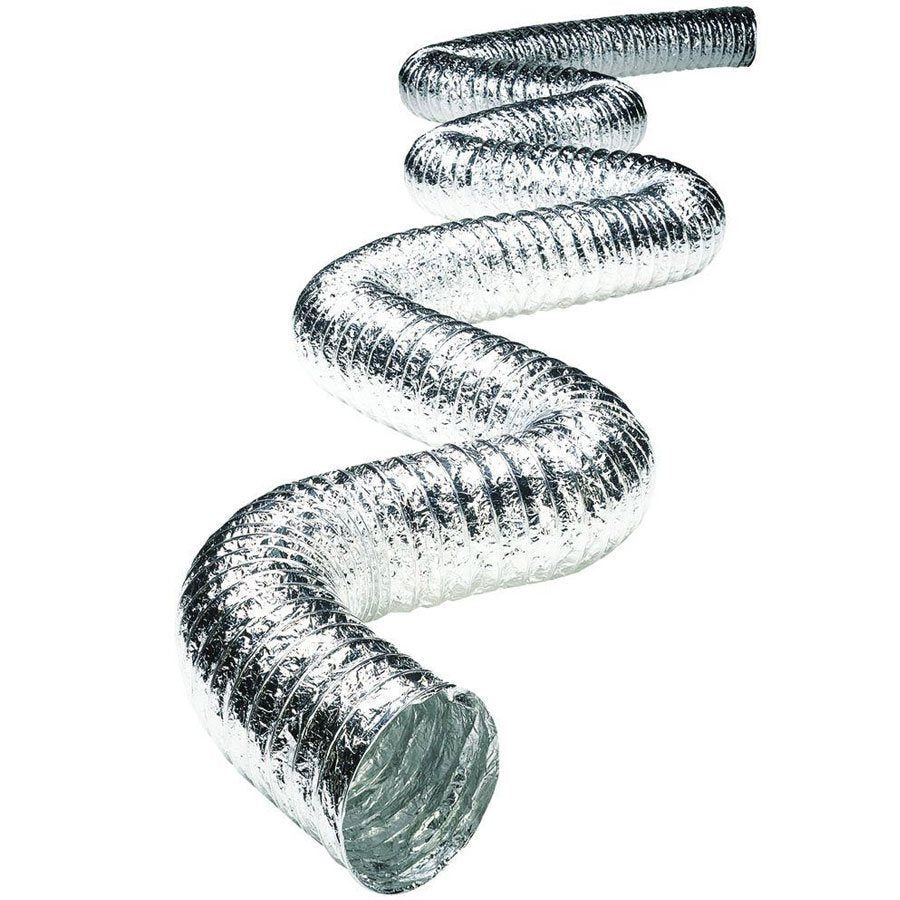
From compact inline duct booster fans to complete ventilation systems, our expert-curated selection ensures healthy plant growth through precise environmental management.
Proper ventilation remains one of the most critical factors in successful indoor cultivation, yet it's often misunderstood or overlooked by growers at every level. The right ventilation system does far more than circulate air; it regulates temperature, controls humidity, prevents mold and mildew, strengthens plant stems through gentle air movement, and ensures your plants receive the fresh CO2 they need for vigorous photosynthesis.
Whether you're managing a small hobby tent or a large-scale commercial operation, the ventilation fans in our collection have been selected for their proven performance, energy efficiency, and long-term reliability. We've spent over 25 years helping Canadian growers understand that effective air circulation isn't just about moving air; it's about creating the precise environmental conditions where plants thrive.
Our team has tested and vetted every inline fan, booster fan, and ventilation accessory to ensure they meet the demanding standards growers across Canada expect. From whisper-quiet models for home environments to industrial-strength systems from commercial facilities, each solution combines engineering excellence with practical functionality.
Choosing the Right Ventilation Fan for Your Grow Space
Selecting the appropriate inline duct fan or ventilation system depends on several key factors that directly impact your growing success:
Calculate your grow space volume – Determine the CFM (cubic feet per minute) rating needed to exchange air completely every 1-3 minutes. Remember to account for carbon filter resistance and duct length, which can reduce effective airflow by 25-40%.
Consider noise levels – If your growing space shares walls with living areas, modern EC motor fans offer variable speed control and significantly quieter operation compared to traditional AC motor designs, often reducing sound output by 50% or more.
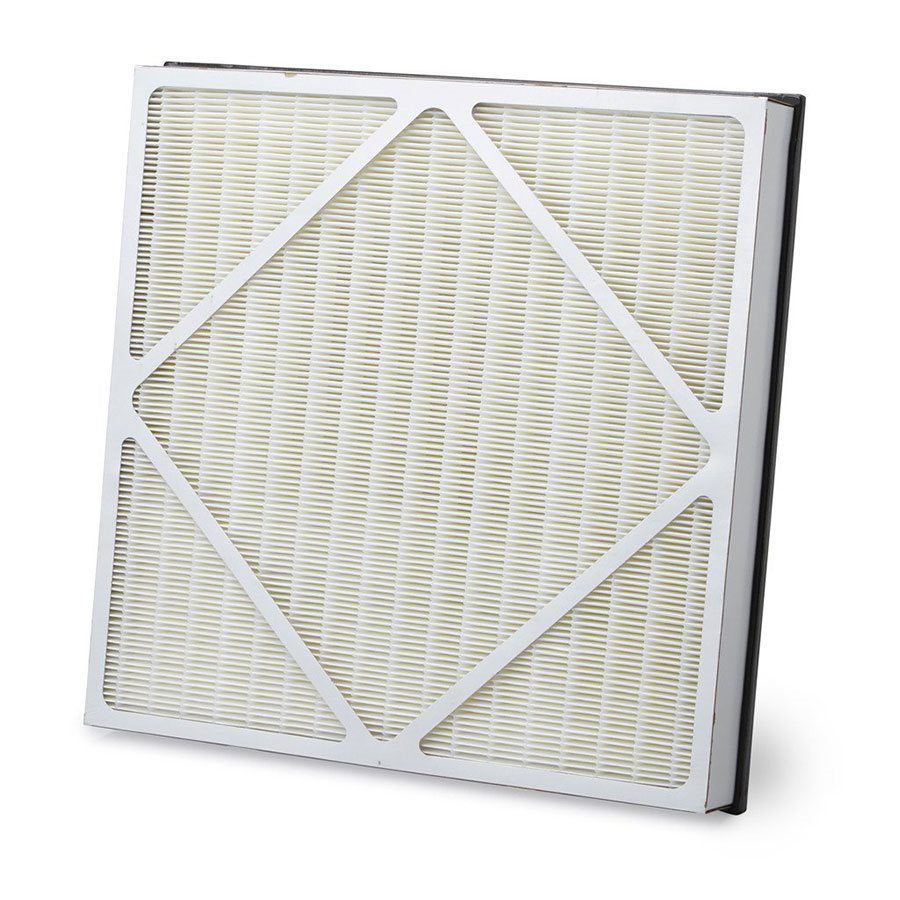
Match fan capacity to filter specs – Ensure your fan maintains negative pressure for odor control. Undersized fans create inadequate air exchange, while oversized units can overwhelm filter media and reduce efficiency.
Evaluate climate control needs – Determine if you need an inline duct booster fan to support existing ventilation, dedicated intake and exhaust systems for precise control, or integrated solutions that work with your temperature and humidity management equipment.
Related Ventilation and Climate Control Collections
Explore our Fans & Filter Kits for complete matched systems that eliminate guesswork and ensure optimal performance from day one.
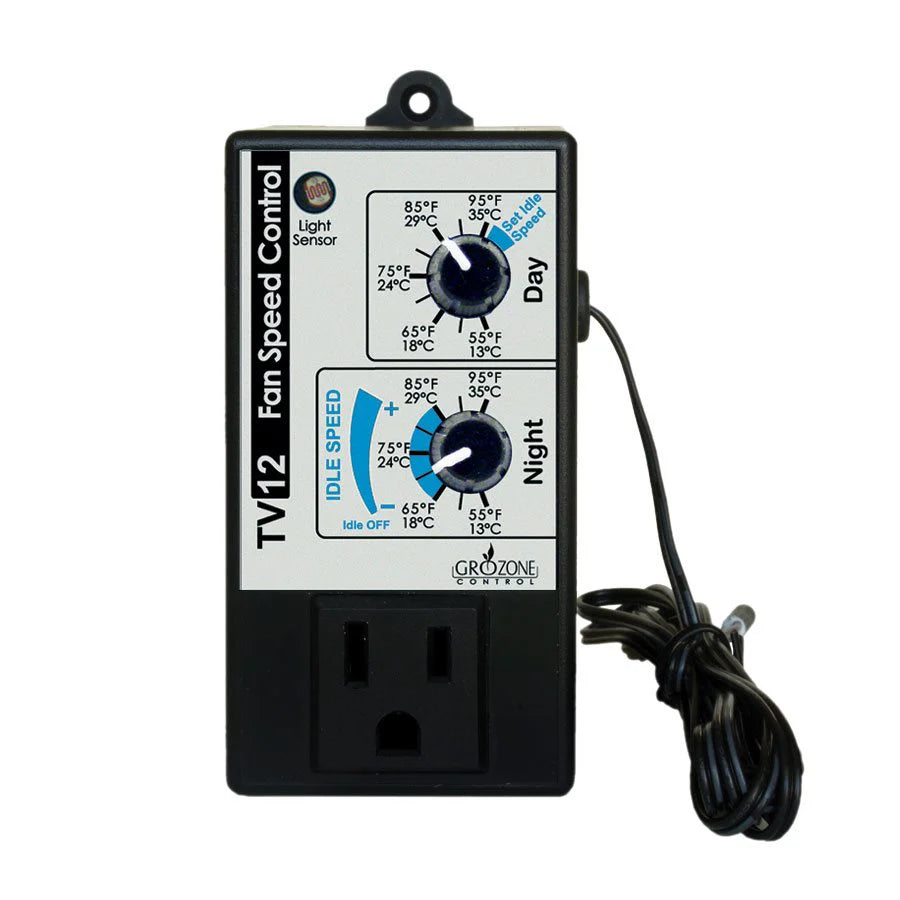
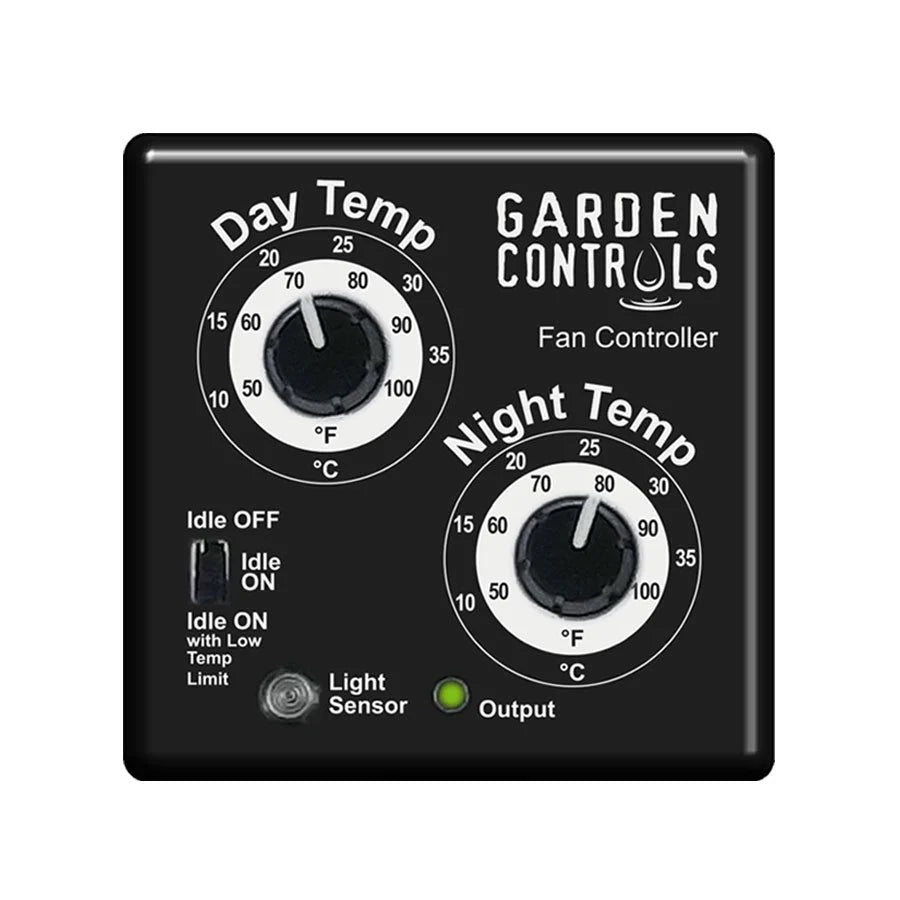
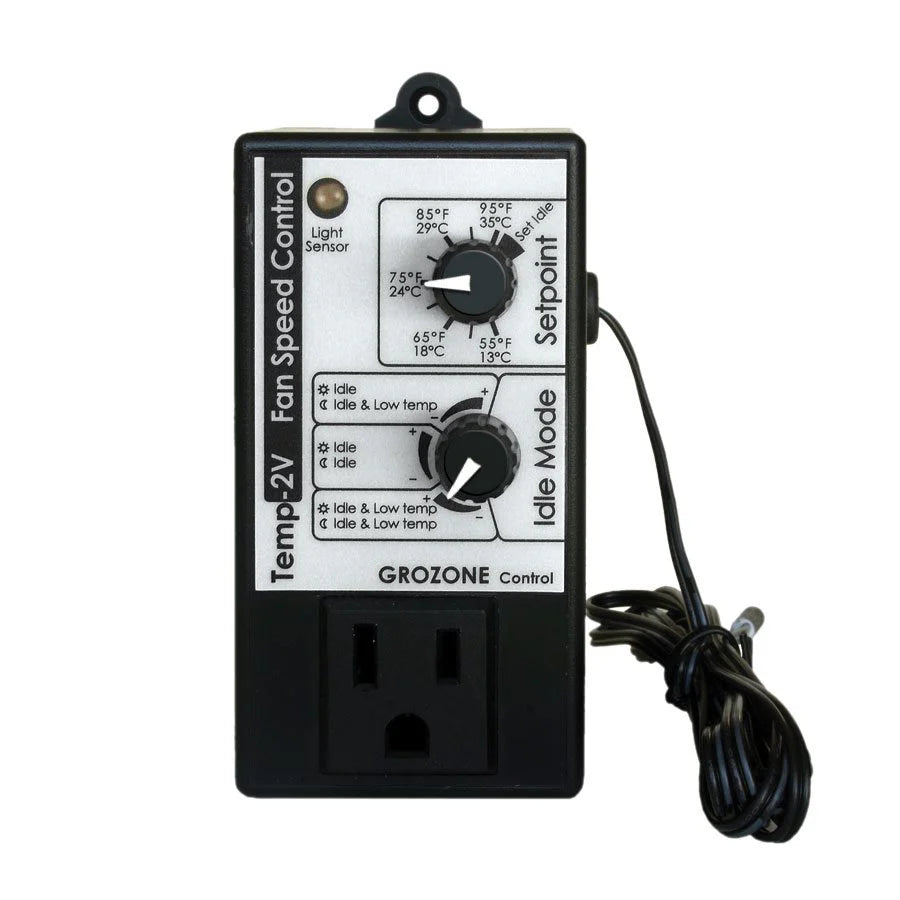
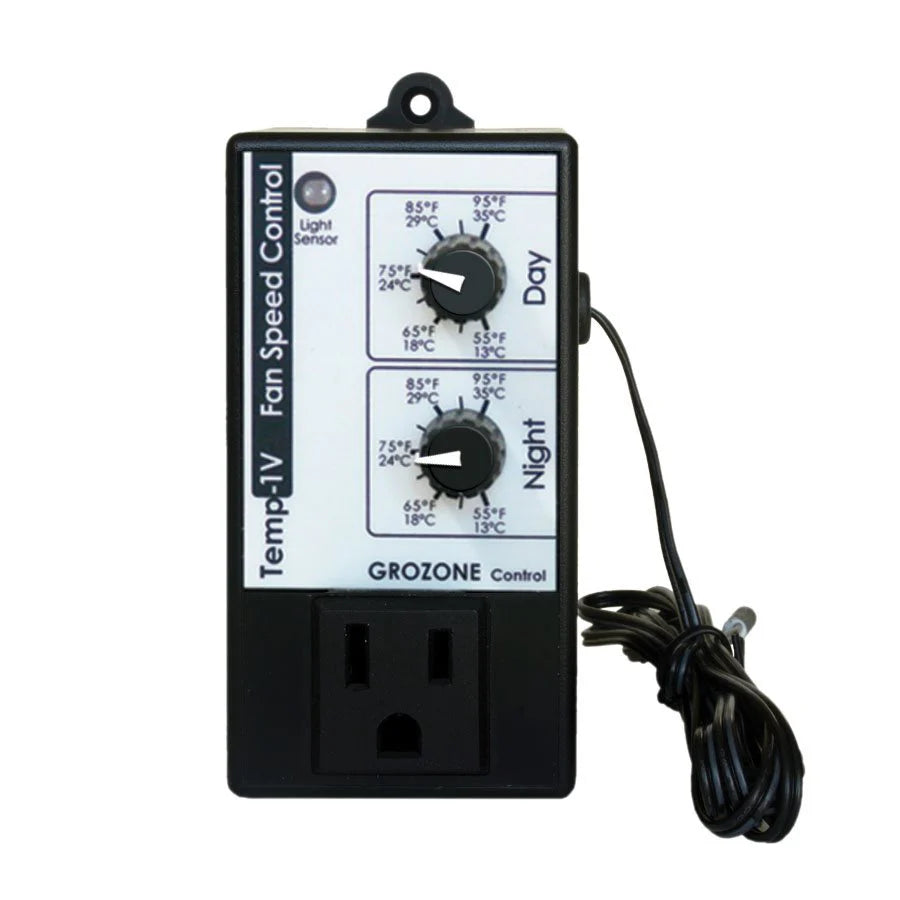
Browse Controllers, Timers & Meters to automate your ventilation schedule and maintain consistent environmental conditions.
Discover Dehumidifiers that work alongside your ventilation system to prevent moisture-related issues and protect plant health.
Check out Grow Tents designed with proper ventilation ports and ducting compatibility for seamless integration.
FAQ
Calculate your tent's volume in cubic feet (length × width × height), then multiply by 1.5 to account for carbon filter resistance and ductwork. For example, a 4×4×6.5-foot tent (104 cubic feet) requires approximately 156 CFM minimum. We recommend adding 20-25% capacity to account for environmental challenges such as higher ambient temperatures or humidity.
Most growers run exhaust fans continuously to maintain consistent temperature, humidity, and fresh air exchange, especially during flowering, when odor control is critical. Continuous operation with variable speed controllers offers the most precise environmental control while reducing energy costs compared to constantly cycling full-power fans on and off.
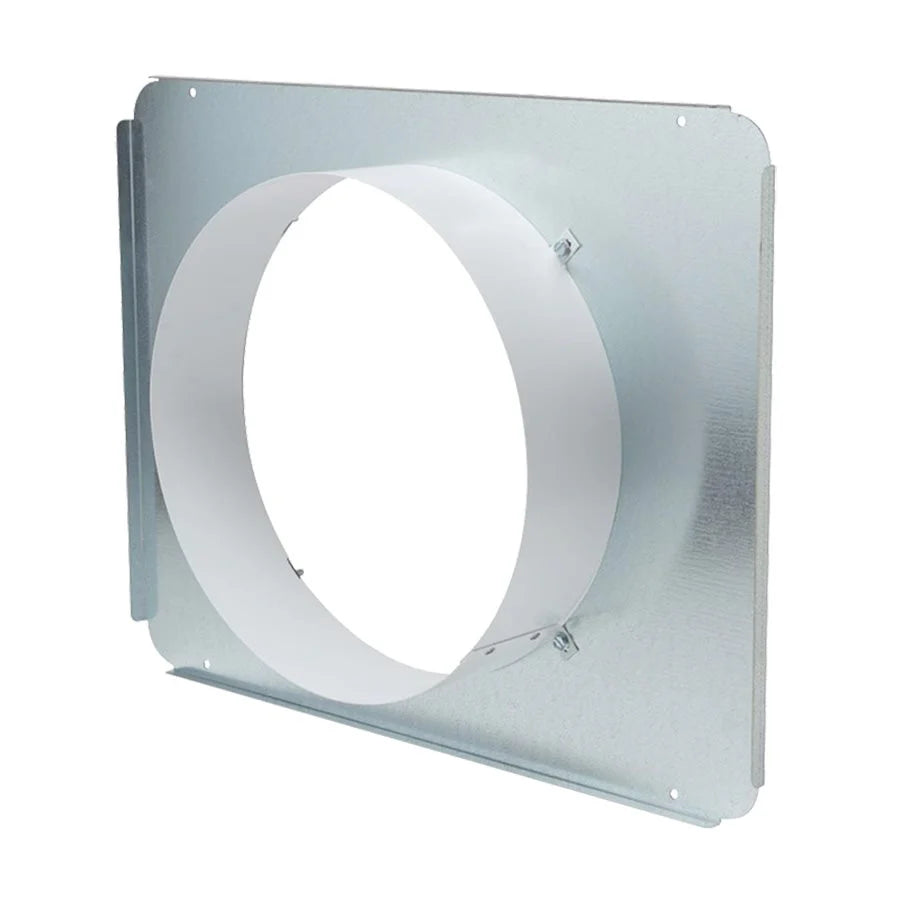
Inline fans serve as primary exhaust or intake systems, creating the main airflow with sufficient power to pull air through carbon filters. Inline duct booster fans supplement existing ventilation by increasing airflow in specific zones, overcoming resistance in long duct runs, or balancing air distribution. Booster fans typically have lower CFM ratings and should not be used to replace primary exhaust fans.
While possible in very small spaces, we strongly recommend separate systems for grow rooms over 25 square feet. Dedicated exhaust fans with passive intake vents create negative pressure that traps odors. Active intake fans provide better control in larger spaces, sealed rooms, or climates where incoming air requires temperature conditioning.
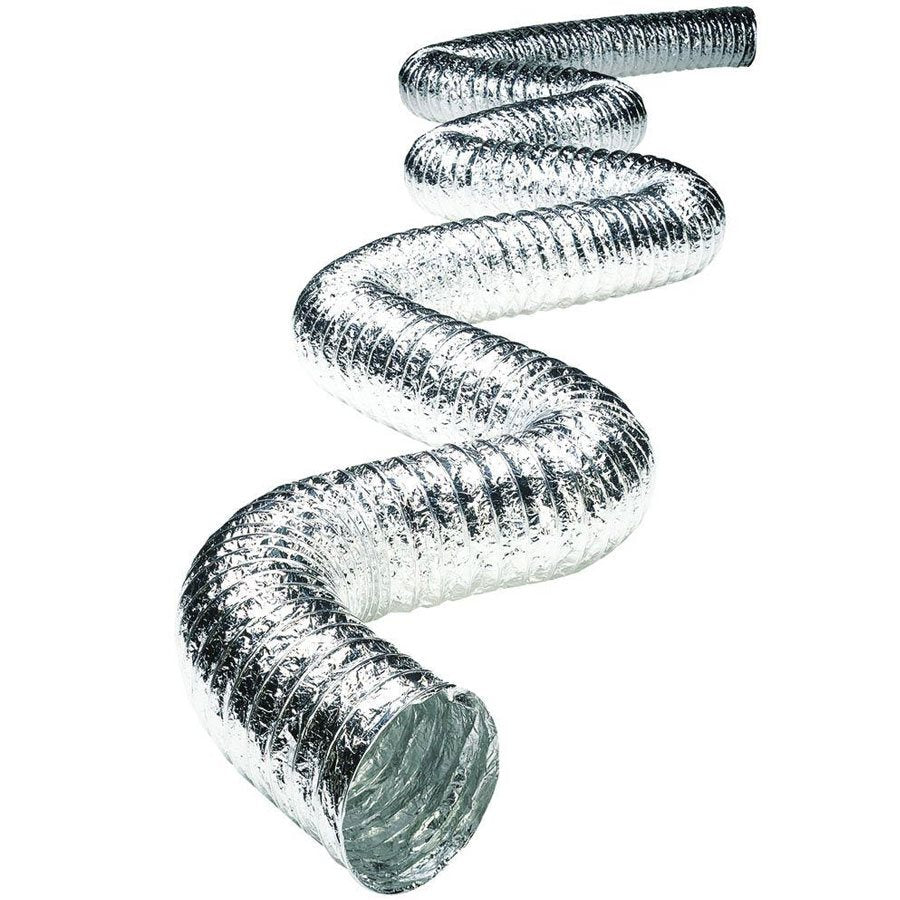
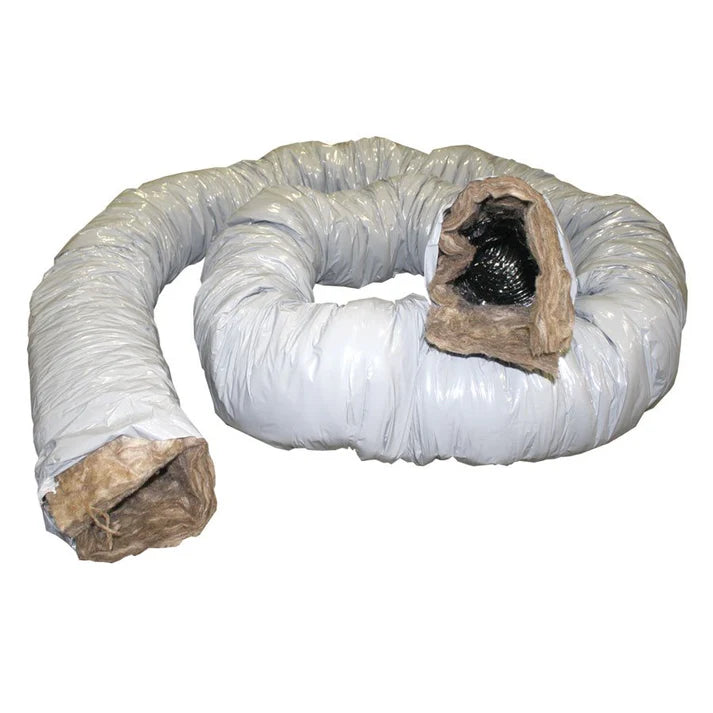
Start by selecting EC motor fans, which operate significantly quieter than AC models. Use insulated ducting to dampen vibration and hang the fan using elastic straps or rubber mounting hardware rather than rigid connections. Running fans at 70-80% capacity using speed controllers reduces noise substantially while maintaining adequate airflow.