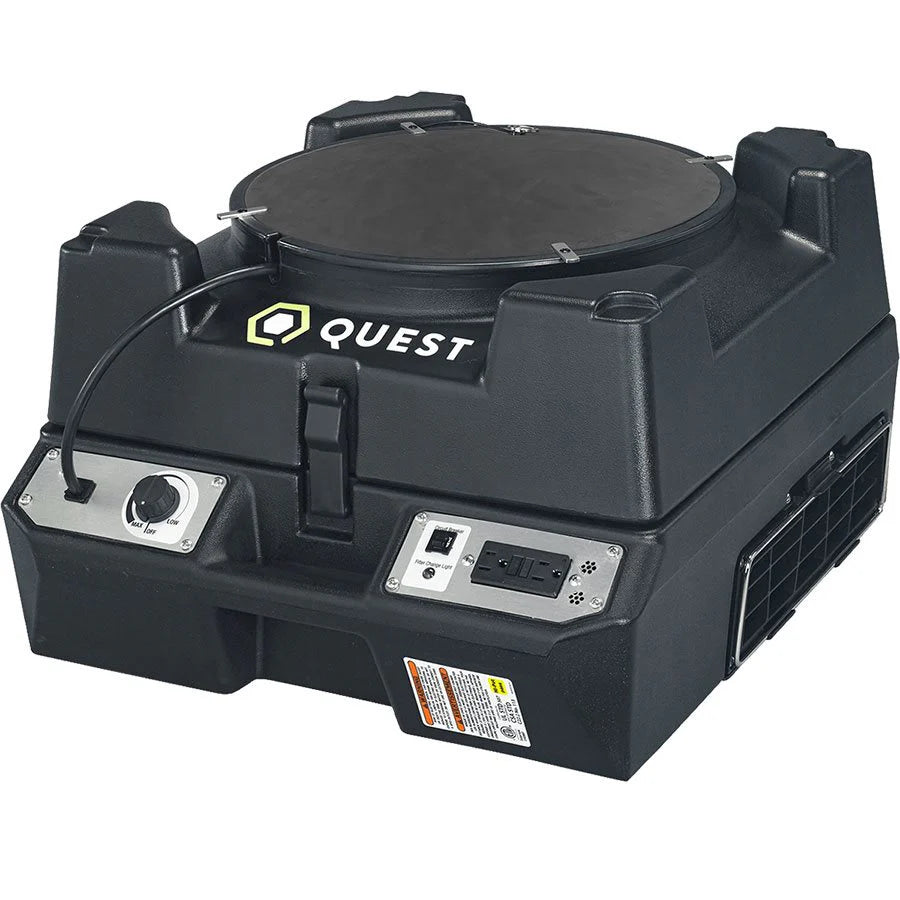
Quest dehumidifiers offer some of the highest humidity control performance in the industry, with capacities ranging from 100 to 746 pints per day, suitable for both small spaces and large commercial installations.
They stand out for their superior energy efficiency, supported by patented M-CoRR technology, a multi-coil refrigeration design that recycles excess heat to deliver the highest efficiency available on the market while reducing heat production (BTU) in your space.
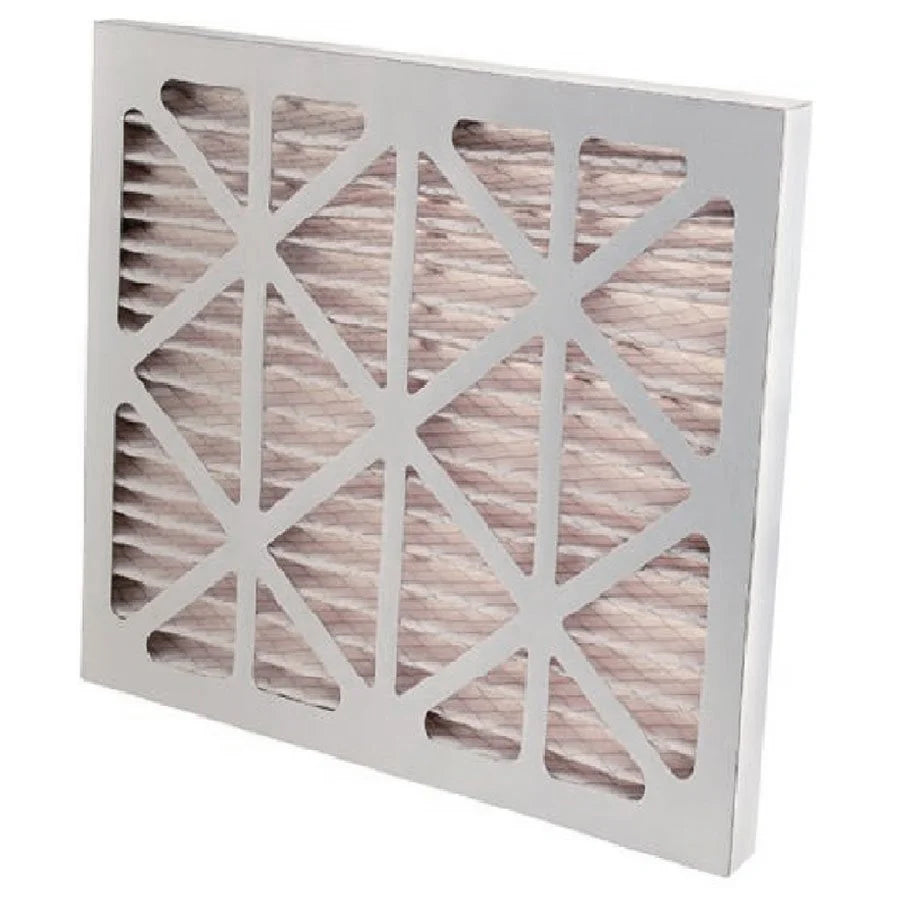
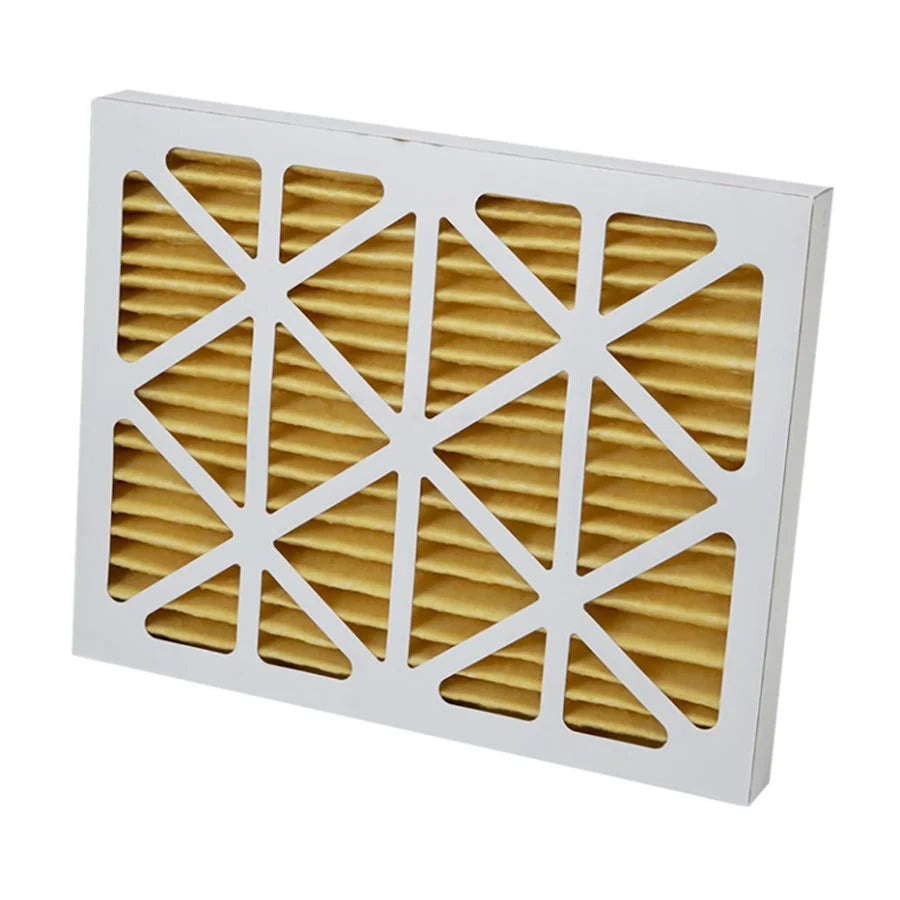
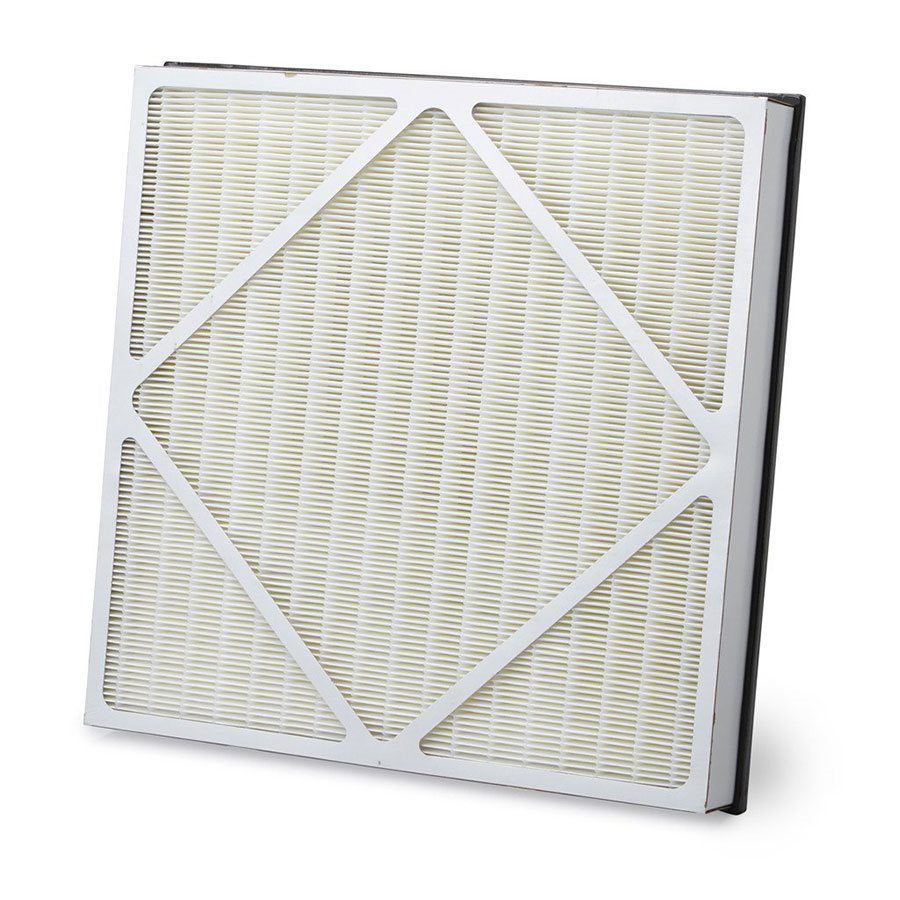
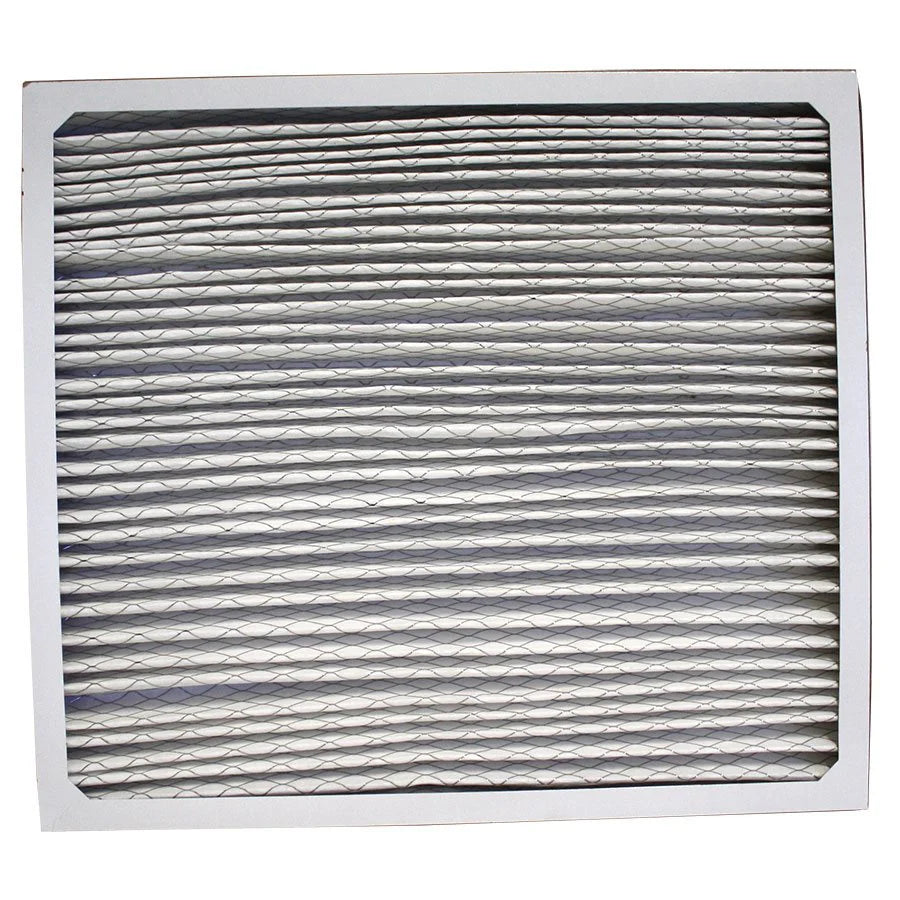
Air quality is enhanced by the use of MERV‑13 filters, which are 20% more efficient than MERV 11 filters, providing superior filtration to maintain healthier air and prevent losses caused by mould, viruses, and airborne particles.
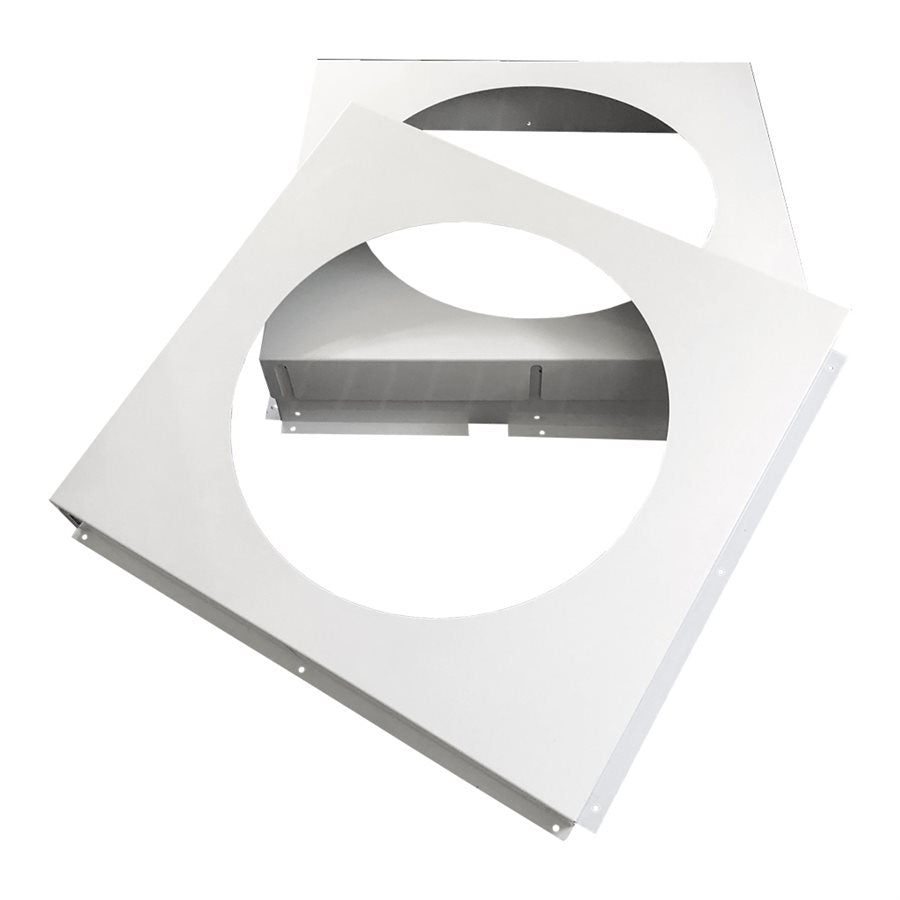
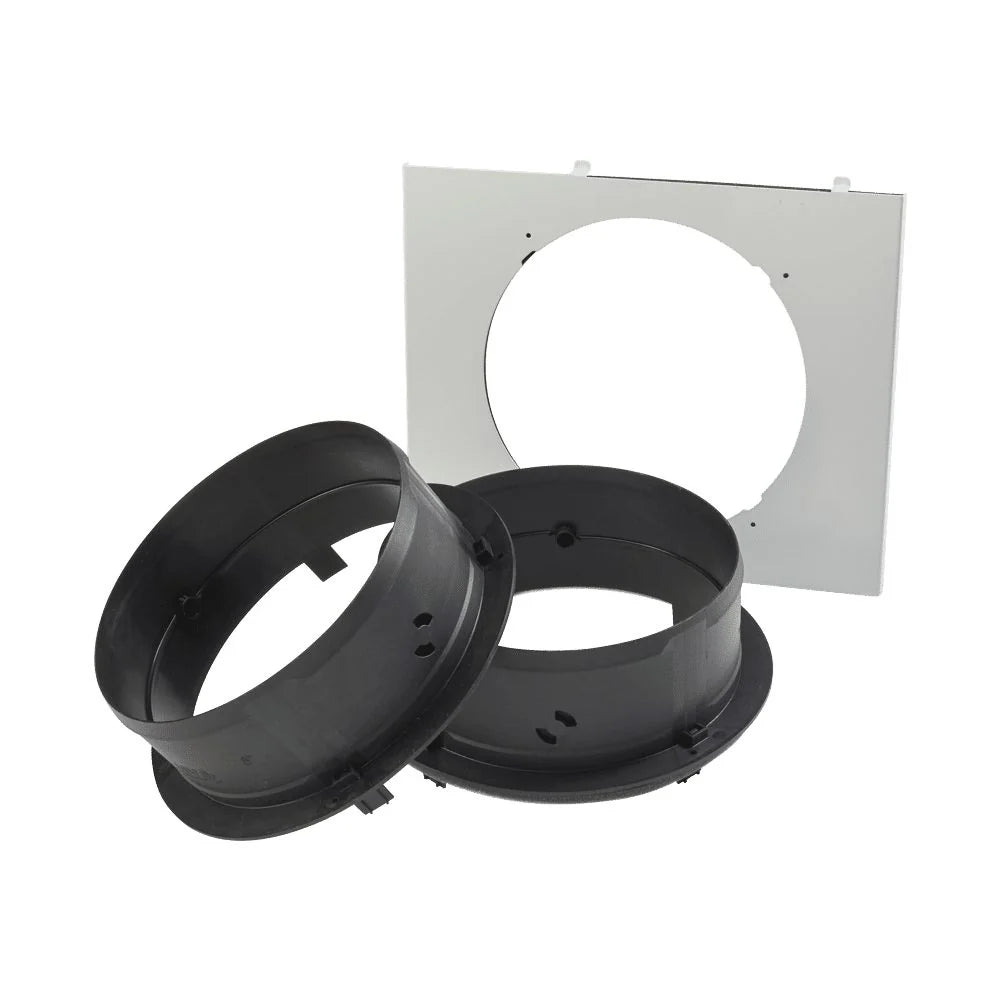
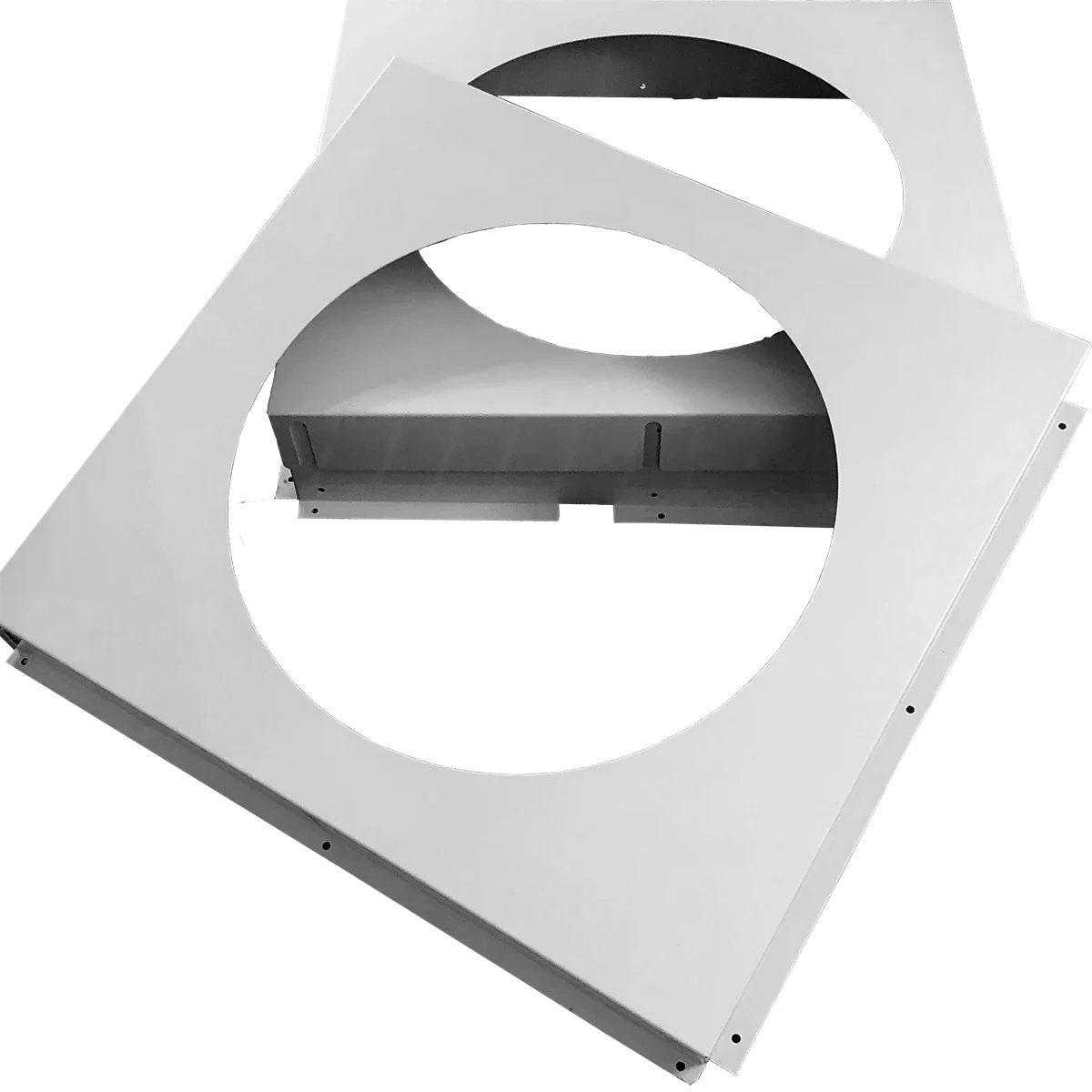
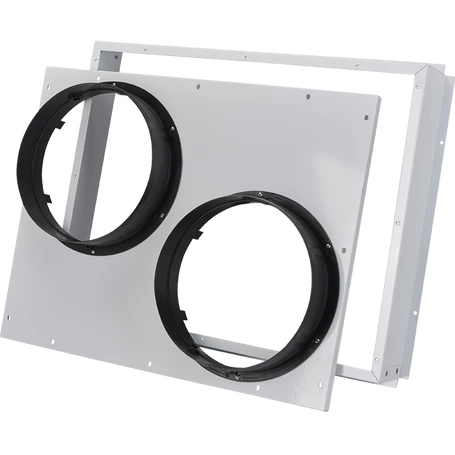
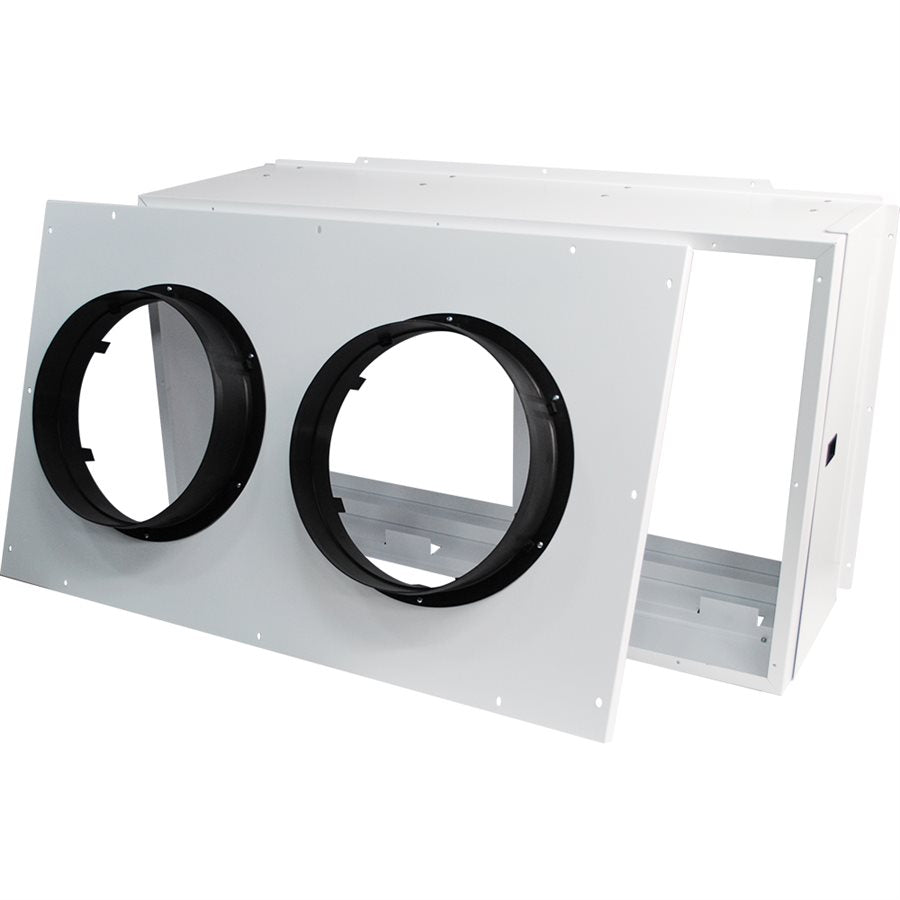
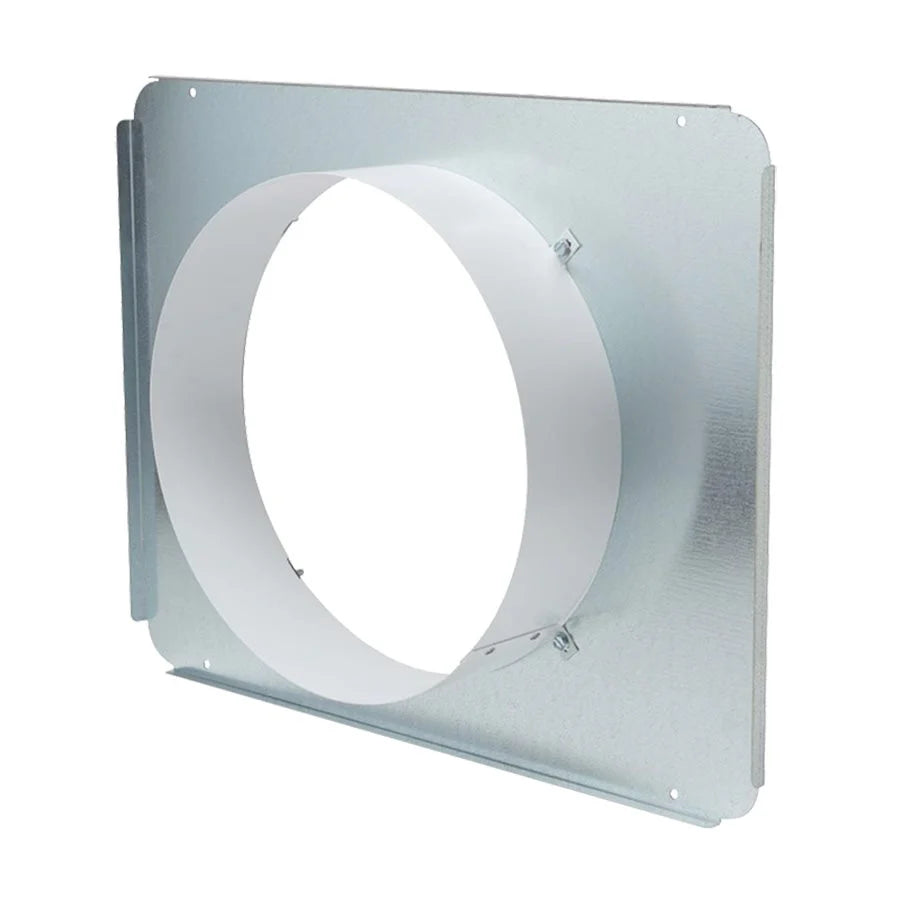
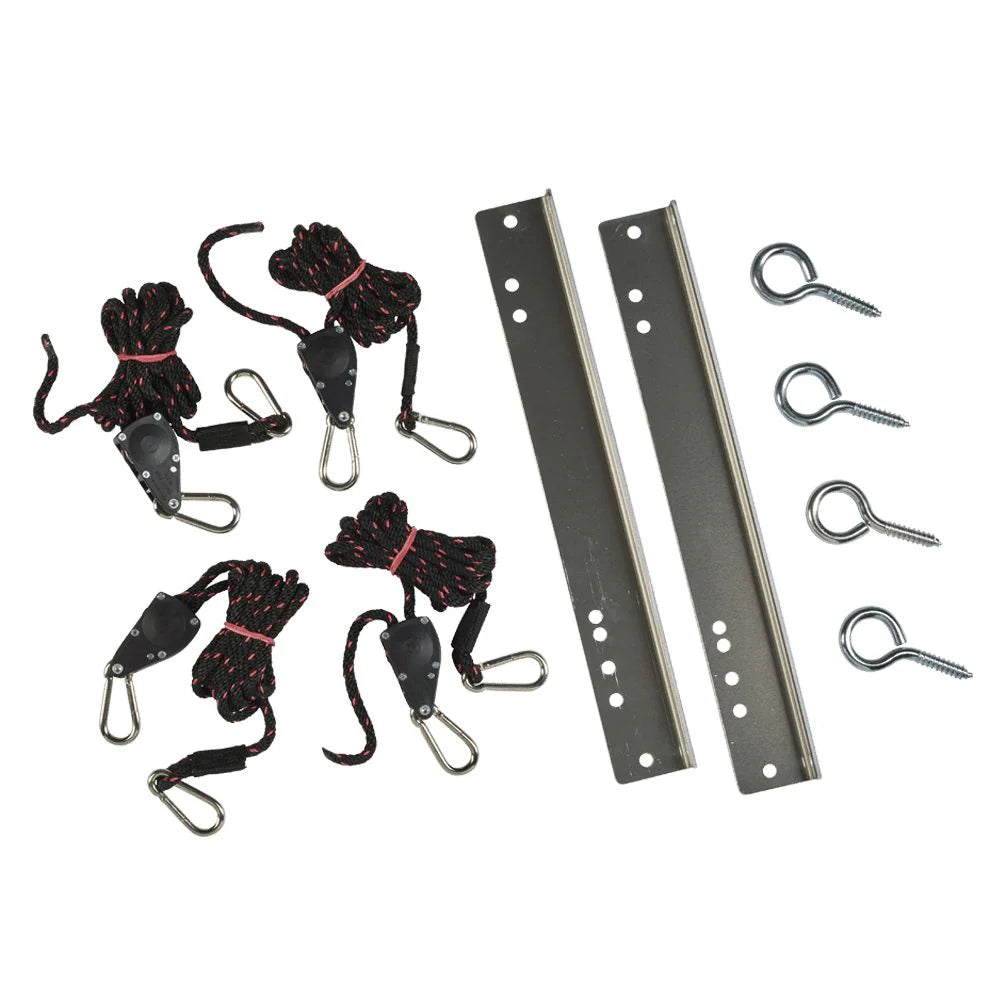
Robust and designed for heavy-duty use, Quest models use durable materials and high-performance filters, while offering flexible installation options, either suspended or connected to ducts.
Dehumidifiers are particularly popular in horticultural and commercial environments where precise humidity control is essential to prevent pathogens and optimize growing conditions.
FAQ
Quest products are mainly used to manage humidity control and protect the room from excess moisture. That matters because unstable RH can slow performance and raise mold risk, especially during peak flowering.
An overhead dehumidifier is mounted up high to save floor space and help distribute dry air across the canopy. A portable dehumidifier is easier to reposition, making it handy for targeted drying zones or changing room layouts.
Quest dehumidifiers are built with grow-room duty cycles in mind and often support duct configurations and service-friendly filtration. That makes them a practical fit when the grow room humidity is persistent rather than occasional.
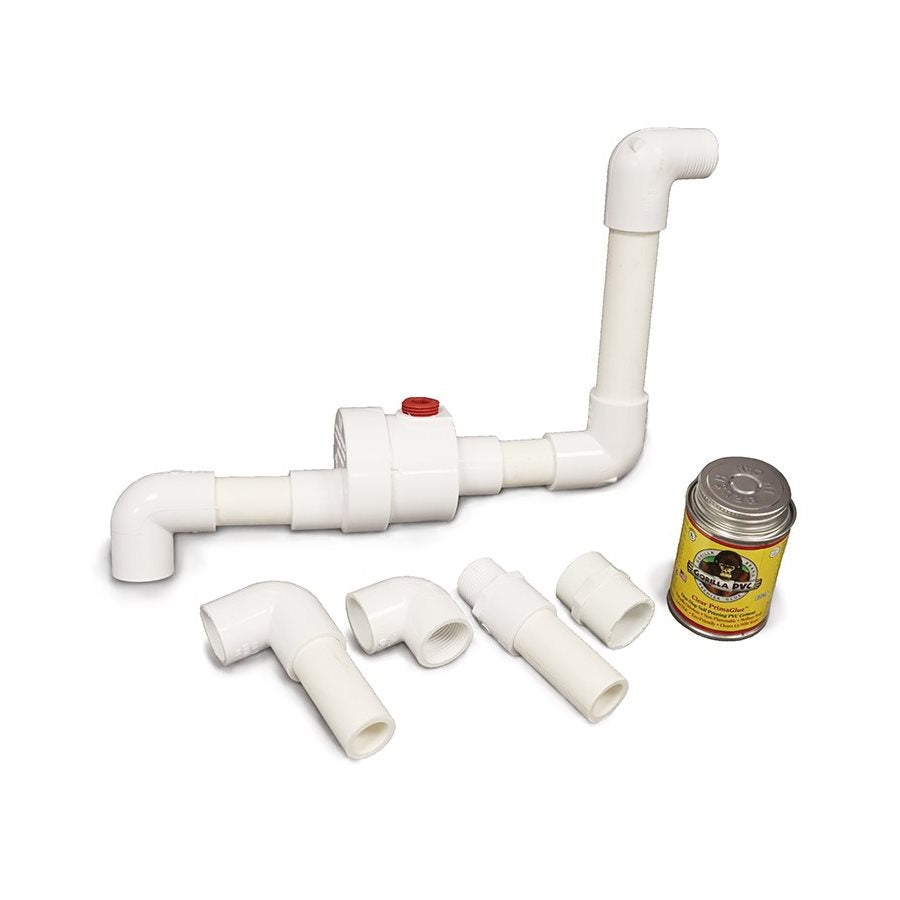
Adding a duct can help direct dry air and improve air mixing, especially in larger rooms or divided spaces. Keep duct runs sensible so the unit can still move enough air and maintain steady climate targets.
The Quest 746 is typically selected for larger rooms that need high-efficiency overhead dehumidifier capacity and strong airflow, often cited around cfm requirements for large canopies. It’s geared toward professional and commercial humidity control demands.
Some setups use a MERV-rated filter to help clean the air as it circulates through the dehumidifier. Regular filter checks help maintain airflow and can improve consistency, especially when you’re trying to eliminate dust and airborne buildup in an indoor grow.