Filtres

Ventilateurs de conduit

5 produits

Affiche 1 - 5 de 5 produits

Affiche 1 - 5 de 5 produits
Voir
Economisez $12.10
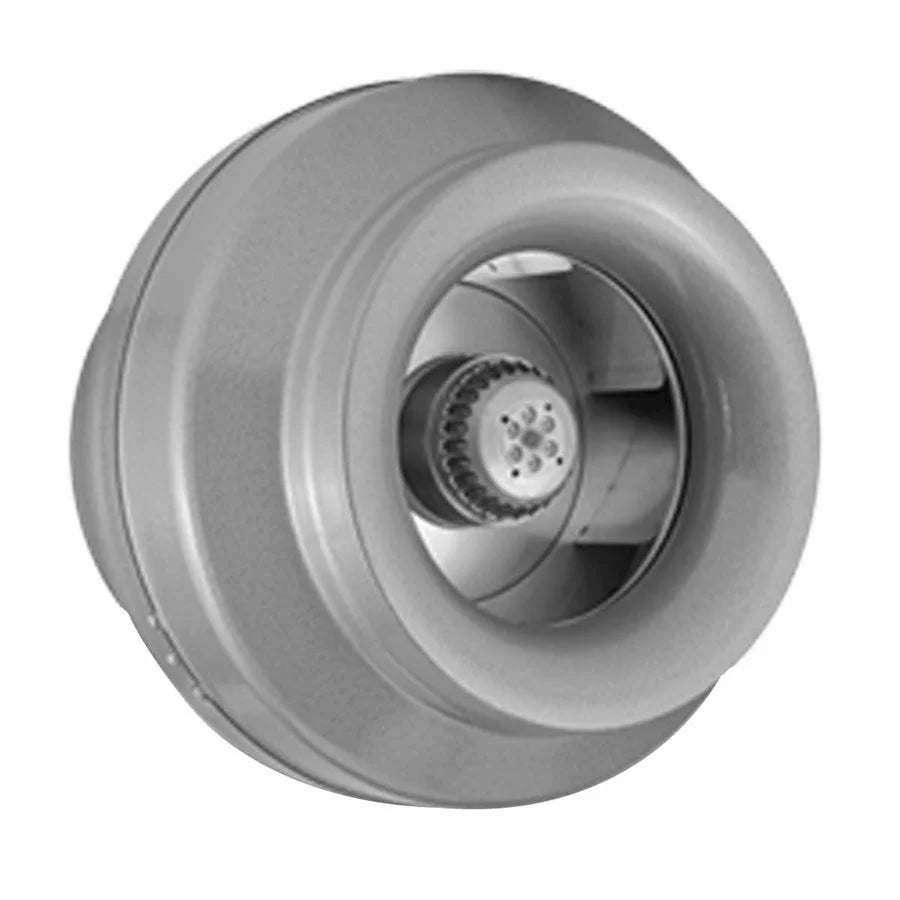
VORTEX VENTILATEUR INTERNE SÉRIE VBC
Vortex

VORTEX VENTILATEUR INTERNE SÉRIE VBC

SKU : 40540

Prix réduitÀ partir de $126.90 Prix normal$139.00
Choisir options
Economisez $4.10
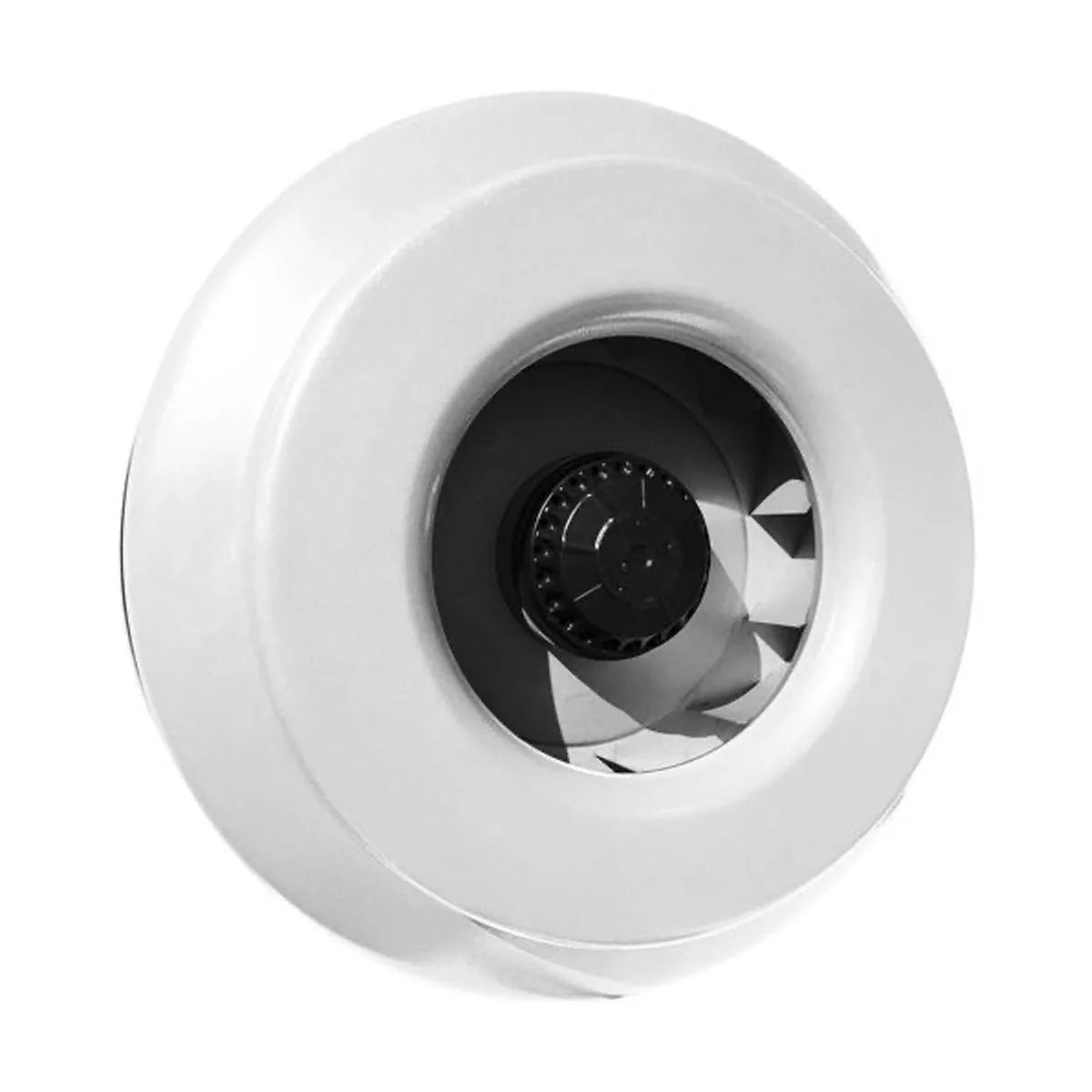
VORTEX VENTILATEUR SÉRIE VMF INLINE
Vortex

VORTEX VENTILATEUR SÉRIE VMF INLINE

SKU : 40219

Prix réduitÀ partir de $104.90 Prix normal$109.00
Choisir options
Economisez $11.10
VORTEX VENTILATEUR SÉRIE VTX INLINE
Vortex

VORTEX VENTILATEUR SÉRIE VTX INLINE

SKU : 40204

Prix réduitÀ partir de $228.90 Prix normal$240.00
Choisir options
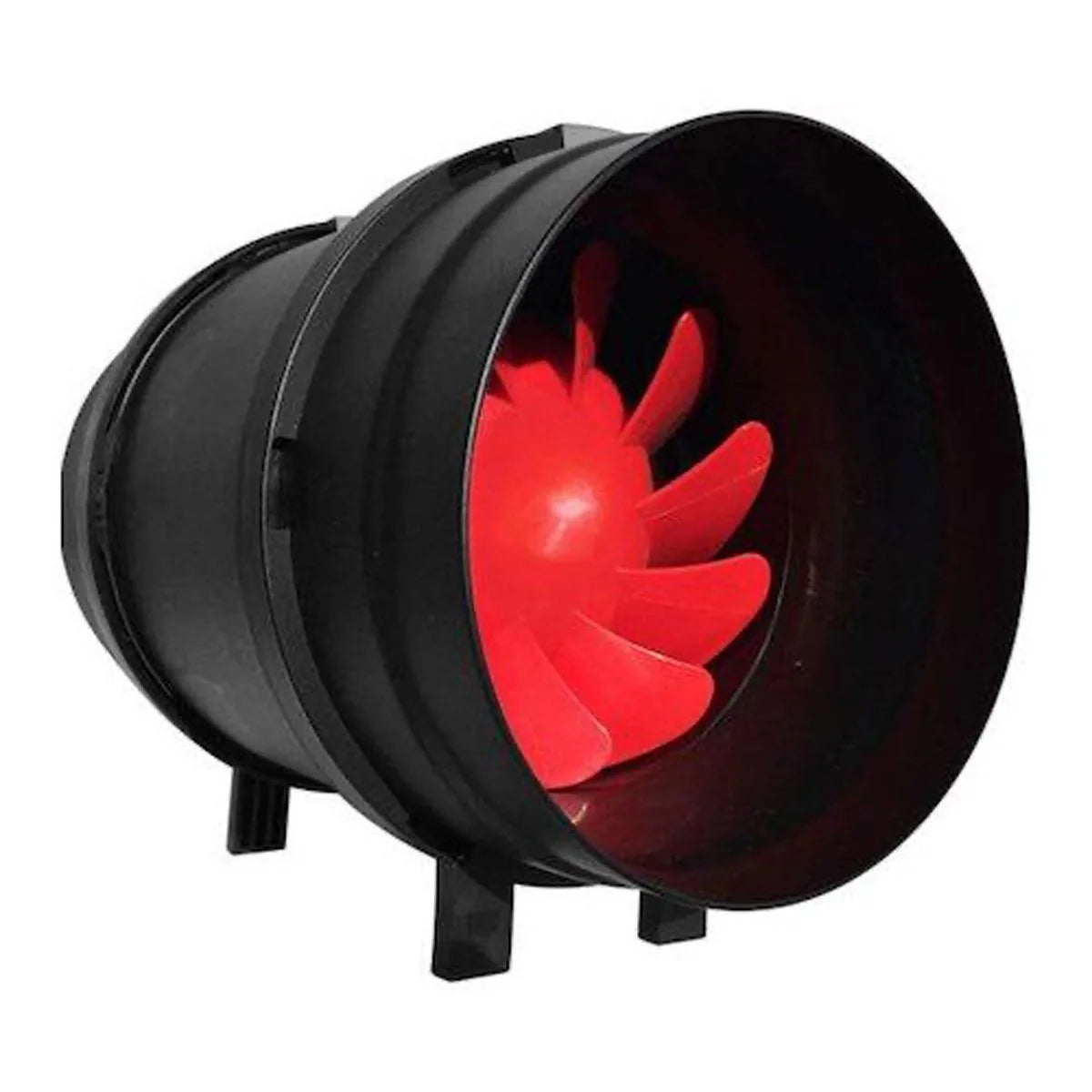
VORTEX VENTILATEUR INLINE TUBE AXIAL
Vortex

VORTEX VENTILATEUR INLINE TUBE AXIAL

SKU : 40535

Prix réduitÀ partir de $39.00
Choisir options
Economisez $2.10
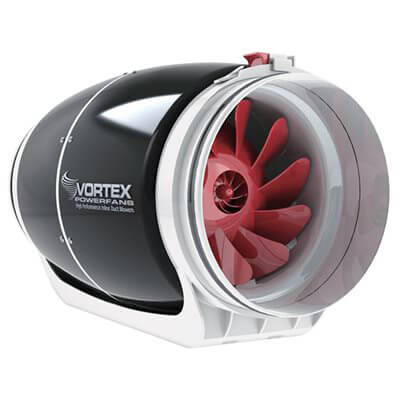
VORTEX VENTILATEUR S-LINE INLINE
Vortex

VORTEX VENTILATEUR S-LINE INLINE

SKU : 40216

Prix réduitÀ partir de $299.90 Prix normal$302.00
Choisir options

5 produits

Affiche 1 - 5 de 5 produits

Duct Fans

FAQ

Calculate your grow space volume in cubic feet, then multiply it by the desired air exchanges per hour (typically 1-3). Account for approximately 25% additional CFM capacity to compensate for resistance from carbon filters and ducting bends. A 4x4x7 tent (112 cubic feet) generally performs well with a 6-inch inline duct fan rated between 400 and 600 CFM, while smaller 2x2 or 3x3 tents often operate efficiently with a quality 4-inch inline duct fan delivering 150-250 CFM.

Absolutely. This combination is the industry standard for grow room ventilation and odor management. Position your carbon filter inside the grow space, connect it to the ducting, and mount your fan to pull air through the filter before exhausting it outside. This creates negative pressure, preventing odors from escaping the tent.

Use acoustic or insulated ducting to dampen sound. Mount your fan using rubber isolators or bungee cords rather than rigid brackets to prevent vibration transfer to walls or tent frames. Additionally, using a variable speed controller allows you to dial back the RPM during noise-sensitive periods while still maintaining sufficient airflow.

Most high-quality inline fans operate efficiently in either orientation. Horizontal mounting is common in grow tents to save vertical headspace, while vertical mounting can be advantageous in tight corners or specific commercial HVAC configurations. Ensure the unit is securely fastened to prevent vibration at any angle.

Inspect your fan every three to six months. Use compressed air or a soft brush to remove dust from the blades, as buildup can cause imbalances, increased noise, and motor strain. With proper maintenance, a quality inline fan can deliver five to ten years of reliable service.

Récemment consultés