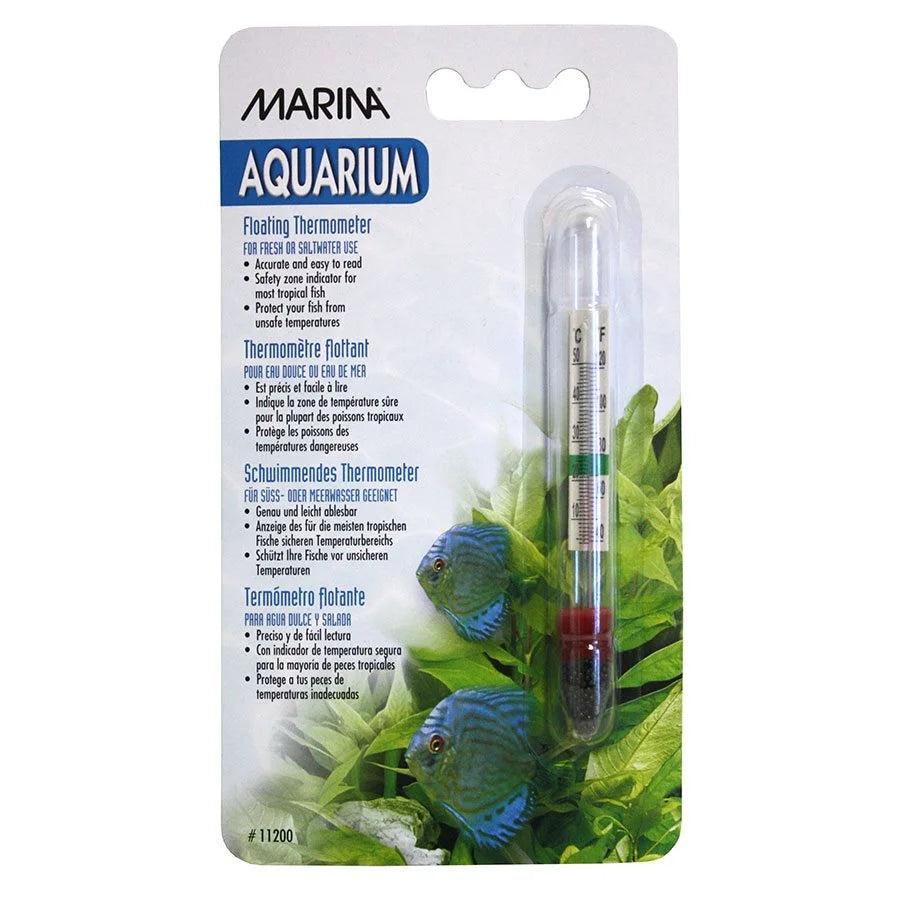
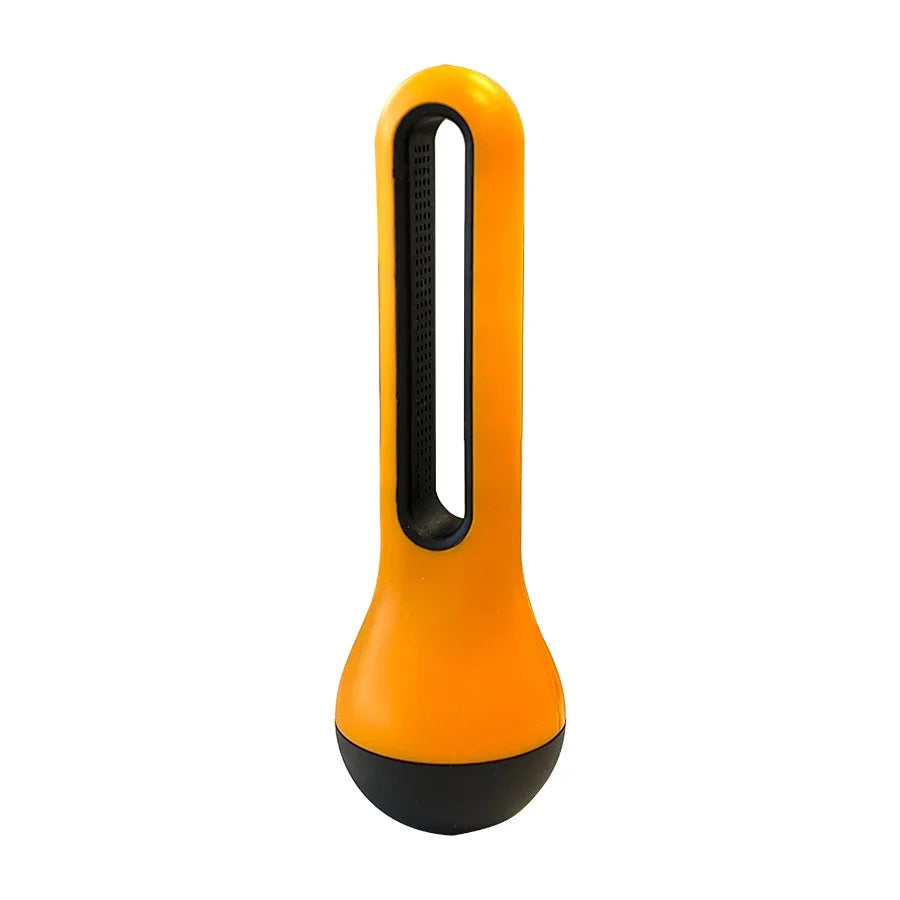
Thermomètres
3 produits
Affiche 1 - 3 de 3 produits
3 produits
Affiche 1 - 3 de 3 produits
Controlling moisture in your growing space requires reliable measurement. Our temperature and humidity control products feature a selection of curated devices from manufacturers who understand what cultivators need: accuracy within ±2-3% RH, rapid response times, and durability in high-humidity environments where cheaper sensors fail within months.
Every humidity meter in this collection has been evaluated by our team of growers with 150+ years of combined experience who've tested these instruments in real growing conditions from coast to coast. Whether you're managing a 2x4 tent in Halifax or coordinating climate across multiple greenhouse bays in Kelowna, you'll find monitoring tools here that deliver the precision your plants deserve.
Choosing the Right Humidity Monitor for Your Grow
The difference between measuring humidity and understanding your environment comes down to selecting instruments that match your growing scale and goals.
-
Accuracy and Response: Digital hygrometers using capacitive sensors respond within seconds when conditions shift and maintain accuracy across months of continuous use. For most indoor growers, a digital humidity sensor with ±3% accuracy provides sufficient precision to prevent mold, optimize transpiration, and maintain healthy growth without the calibration demands of analog instruments.
-
Monitoring Range: A single humidity gauge near your exhaust fan won't tell you what's happening at canopy level or in microclimates near walls and corners. Wireless hygrometers with remote sensors let you track multiple zones simultaneously, revealing humidity gradients that affect plant health.
-
Durability: High-humidity growing environments, condensation, nutrient spray, and sustained 60-80% RH destroy poorly sealed electronics. The humidity monitors we carry feature moisture-resistant housings and are designed for real-world growing conditions.
Related Products & Growing Solutions
-
Humidity & CO₂ Systems – Move beyond monitoring with integrated systems designed to actively manage humidity and CO₂ levels for maximum growth.
-
Odor Control – High-humidity environments can amplify plant scents; explore carbon filters and neutralizers to keep your grow space discreet.
-
Ventilation – Pair your hygrometer with high-performance fans and ducting to exhaust moist air and maintain consistent atmospheric conditions.
-
Controllers & Timers – Automate your environmental response by connecting your sensors to smart controllers that trigger equipment based on real-time data.
FAQ
A hygrometer measures the amount of water vapor in the air, expressed as relative humidity, the percentage of moisture present compared to the maximum the air can hold at that temperature. Digital hygrometers typically use capacitive or resistive sensors that change electrical properties when exposed to moisture, converting that change into an RH reading. Analog models, including hair-tension hygrometers, rely on materials that physically expand or contract with changes in humidity, moving a needle across a dial. For indoor growing, capacitive hygrometers offer the best combination of accuracy (typically ±2-3%), speed, and long-term stability.
Seedlings and clones thrive at 65-70% relative humidity, which reduces transplant stress and supports rapid root development. During vegetative growth, drop RH to 55-65% to encourage stronger stems and prevent stretching. Flowering plants perform best at 45-55% RH; lower humidity reduces mold risk on dense buds while maintaining enough moisture for healthy transpiration. Late-flower benefits from lowering RH to 40-45% in the final weeks, hardening flowers, and minimizing pathogen pressure. These ranges shift slightly with temperature; at higher temperatures, plants tolerate lower RH because the vapor pressure deficit remains within the optimal zone.
Position your humidity sensor at canopy height in the center of your growing area, away from direct airflow from fans or ventilation ducts. Mounting near an intake or exhaust gives false readings because you're measuring incoming or outgoing air rather than the actual environment surrounding your plants. If you're working with a tent or small room, one centrally placed hygrometer suffices. Larger spaces need multiple sensors; place them at different heights and in corners or against walls where microclimates form. Never mount a humidity gauge directly above irrigation zones or humidifiers where localized moisture spikes skew measurements.
Digital hygrometers should be calibrated every 3-6 months to maintain accuracy, or immediately if you notice readings that don't match conditions (such as condensation forming when the meter reads 50%). The salt test provides a simple calibration check: seal your hygrometer in a container with a saturated salt solution (table salt mixed with just enough water to form wet sludge), wait 8-12 hours, and verify the reading stabilizes at 75% RH. If it reads higher or lower, adjust accordingly per your model's calibration procedure, or note the offset and compensate mentally. Analog hygrometers drift more frequently and require monthly checks, especially hair-tension models, which are sensitive to contamination and wear.
A hygrometer measures and displays relative humidity. A humidity controller measures RH and adjusts it by switching on dehumidifiers, humidifiers, or ventilation equipment when readings fall outside your target range. Think of the hygrometer as the thermometer and the controller as the thermostat. Many growers start with standalone hygrometers to understand their environment's behavior, then upgrade to controllers once they identify patterns and want to automate corrections. If you're running equipment manually, turn on a dehumidifier when you check the meter and see 65%. A quality hygrometer is all you need. Once you want the system to respond without you, a controller becomes essential.
Household humidity meters work for casual monitoring but typically sacrifice accuracy and durability compared to horticultural hygrometers. Many consumer models carry ±5-7% accuracy ratings, which means a displayed 60% could actually be anywhere from 53% to 67%, too wide a margin when you're trying to prevent mold in late flower or maintain precise VPD targets. Horticultural instruments are built for continuous operation in harsh environments (constant moisture, temperature swings, occasional splashing) and calibrated for the tighter tolerances growers need. If you're serious about optimizing plant health and yields, invest in a hygrometer designed for growing, not one meant to tell you whether your basement feels damp.
Vapor pressure deficit (VPD) measures the difference between the moisture currently in the air and the maximum it could hold at saturation, essentially the drying power of your environment. VPD combines temperature and relative humidity into a single metric that directly predicts how aggressively plants transpire. Low VPD (high humidity, cooler temps) slows transpiration and nutrient uptake; high VPD (low humidity, warmer temps) stresses plants with excessive water loss. Optimal VPD ranges from 0.8 to 1.2 kPa depending on growth stage. You can't calculate VPD without accurate humidity readings, which is why serious growers pair precision hygrometers with temperature monitors and use VPD charts or apps to stay in the target zone where plants photosynthesize efficiently without stress.